Story 1: The Early Years
It’s only fitting that the first installment of the 50 Years, 50 Stories series starts at the beginning.
It began with a spark of community vision: In the 1960s, Dorothy Richardson of Pittsburgh pioneered the idea of Neighborhood Housing Services (NHS), a coalition dedicated to strengthening low-income neighborhoods through reinvestment and collaboration. Inspired by her work, the Urban Reinvestment Task Force brought the concept to Ithaca in 1976, where Mayor Ed Conley, Citizens Bank’s then-president Ken Myers, and local residents rallied behind the idea.
On September 28, 1976, Ithaca Neighborhood Housing Services was officially incorporated.
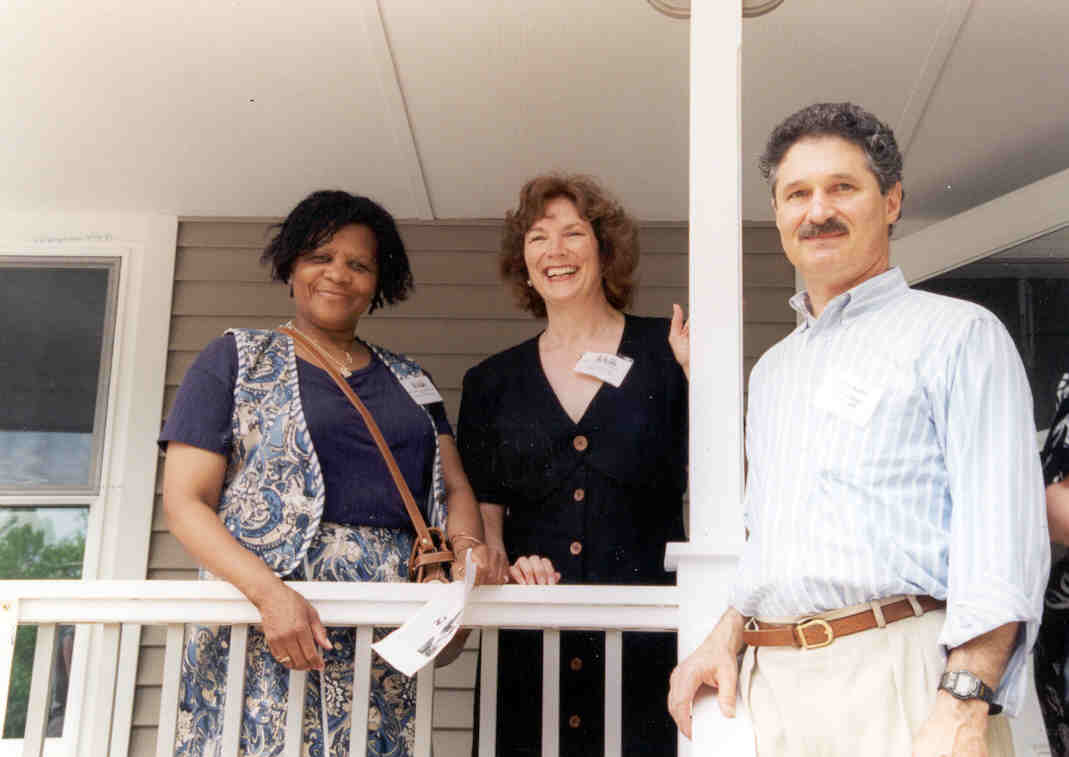
Led by board president Margaret Jones, the founding members included Lucy Brown, Claude Colleyacme, Mary Franklin, James Gibbs, William Herbster, Thomas Hoard, William Kiernan, Brock Mavnille, Kenneth Myers, Barbara Ochester, Maynard Richardson, H. Matthys Van Cort, Raymond Van Houtte, and Shirley Watkins. They were determined to prevent displacement and preserve the character of Ithaca’s Southside neighborhood. The mission was clear: increase homeownership rates, revitalize neighborhoods, and ensure residents had a voice in shaping their community.
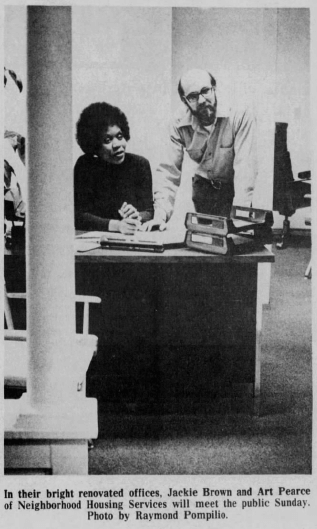
The grassroots efforts took hold from there. Local advocates knocked on doors; seniors and activists spoke at Ithaca Common Council meetings; and volunteers gathered resources to open INHS’s first office at 520 West Green Street, a modest house purchased for $14,000. Staff and friends furnished it with donated desks and chairs, while INHS got to work and began distributing funding to the community.
By April 1977, INHS had received tax-exempt status and hired its first executive director, Art Pearce. The impact was immediate: within the first year, building permits in downtown neighborhoods rose by 40 percent, and INHS had already completed 16 construction loans with 21 more underway.
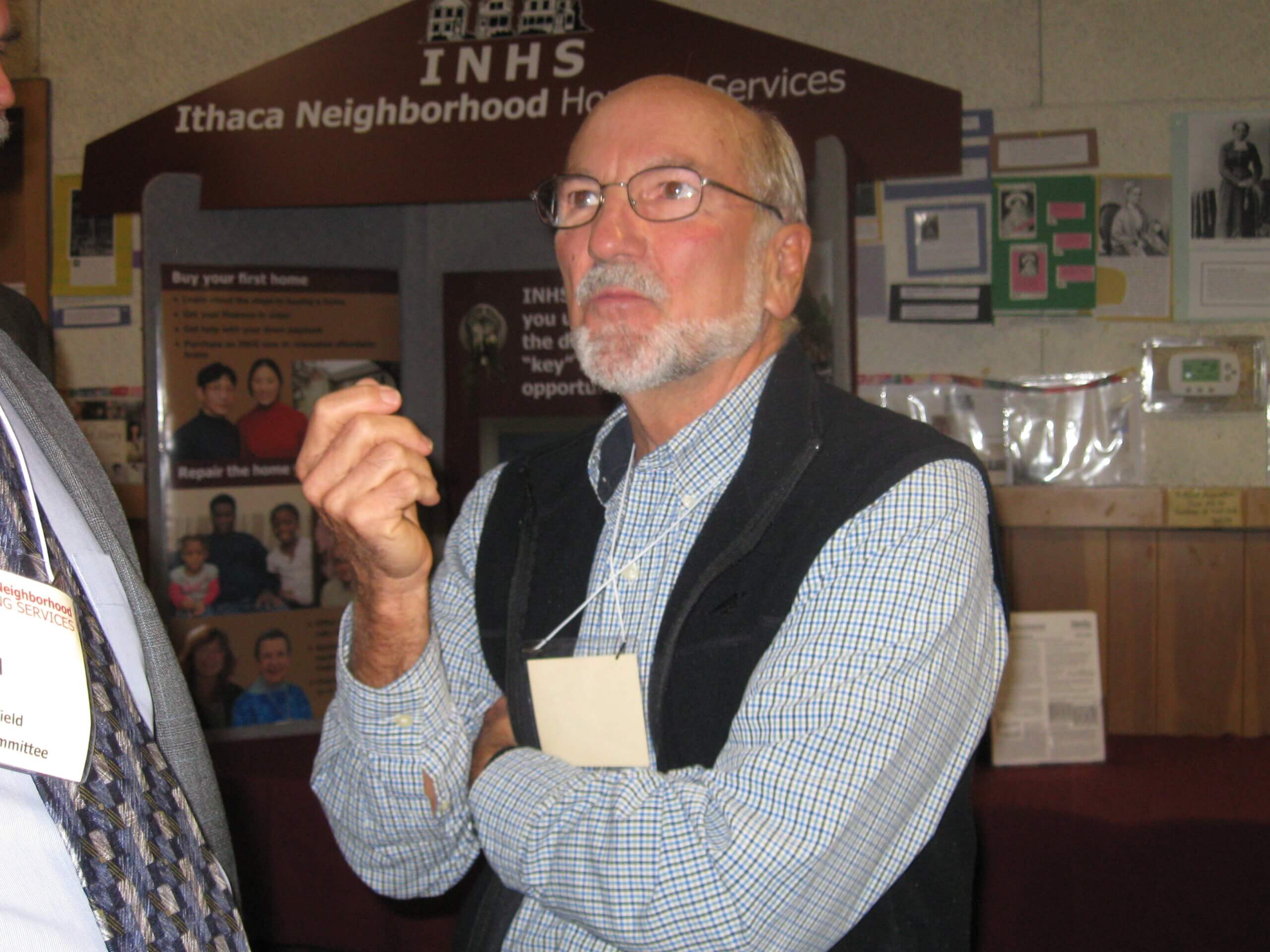
Word spread quickly with support from the community. Local media covered the new organization and highlighted its initiatives; churches hosted meetings; and neighborhood open houses drew hundreds of residents. The creation of the Mini-Repair Program (today known as the Minor Repair Program) soon followed, supported by volunteers and grants that fueled clean-up efforts, youth corps projects, and rehabilitation funds.
These early years laid the foundation for what INHS would become: a trusted partner in affordable housing, rooted in community action and dedicated to ensuring that every family has a safe, stable place to call home.

Homebuyer Class: In-Person, One-Day/All-Day June 20 in Auburn NY ($20 Special)