Clean Energy, Real Impact
INHS places sustainability at the core of its work, prioritizing environmentally responsible practices that benefit both residents and the broader community. Through smart construction methods and the use of solar energy, INHS reduces environmental impact while improving quality of life—including lower utility costs for residents.
Two INHS housing communities currently use on‑site solar arrays: 210 Hancock in the City of Ithaca, which includes 54 rental units, and Glen Lake Apartments in Watkins Glen, with 34 rental units. These solar arrays—systems made up of multiple solar panels working together—generate clean electricity for the buildings.
Since its installation in 2018, the solar array at 210 Hancock has produced 396 megawatt‑hours (MWh) of electricity (approximately 396,000 kilowatt‑hours, the units shown on an electric bill). Since 2022, the solar array at Glen Lake Apartments has produced 131 MWh (about 131,000 kilowatt‑hours).
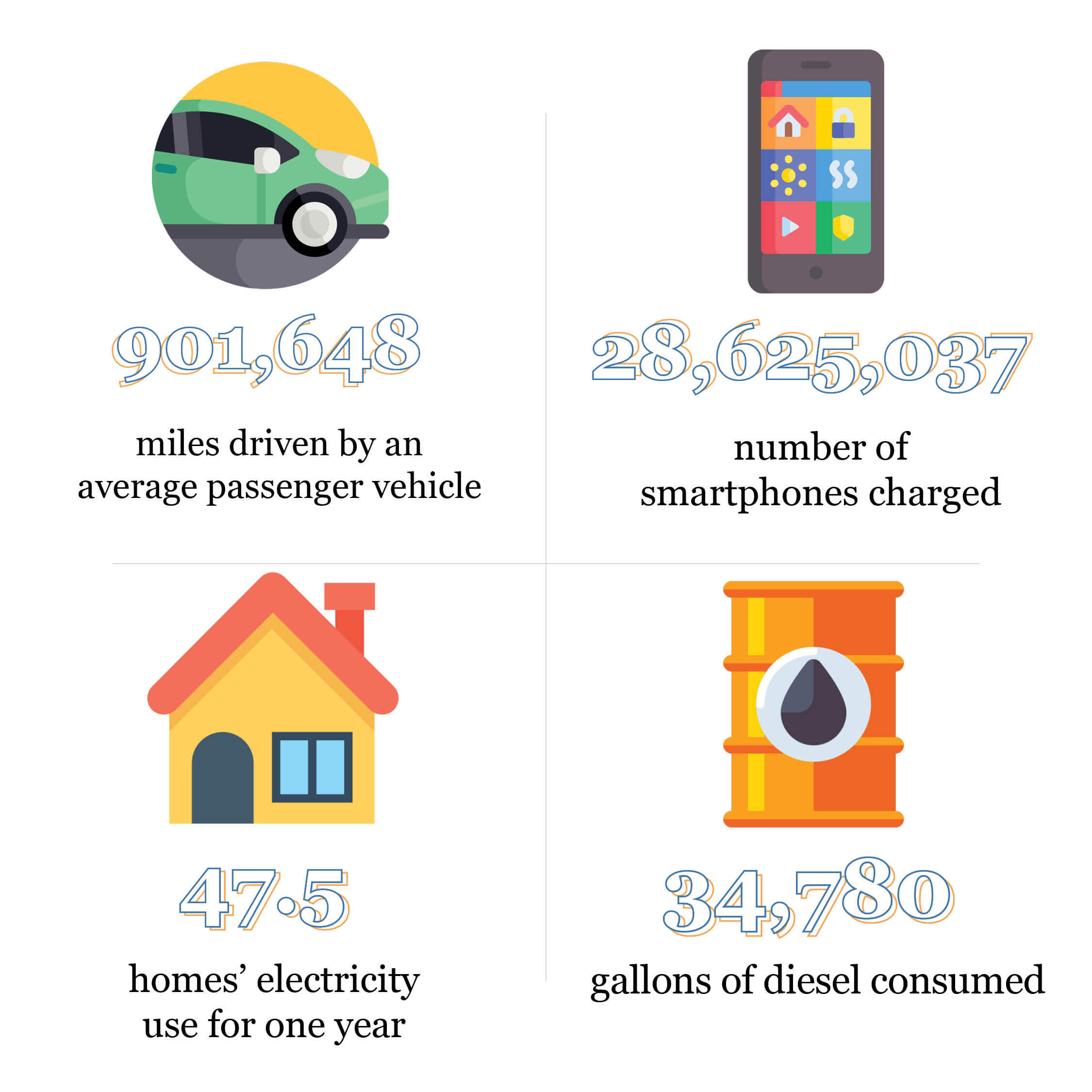
Together, this energy production represents roughly $79,000 worth of electricity or 527 MWh (at $0.15 per kWh) and is equivalent to greenhouse gas emissions from:
- Charging 28.6 million smartphones
- Driving 901,648 miles in an average passenger vehicle
- Consuming 34,780 gallons of diesel fuel
- Powering 47.5 homes for one year
Beyond solar energy, all INHS buildings and developments incorporate additional sustainability features, including:
- No use of tropical woods, helping prevent deforestation
- Green Label Plus flooring or carpeting to improve indoor air quality
- Low‑VOC paints to reduce air pollution
- WaterSense® toilets that use 20% less water
- Low‑flow faucets and showerheads that significantly reduce water use
- ENERGY STAR® certified appliances
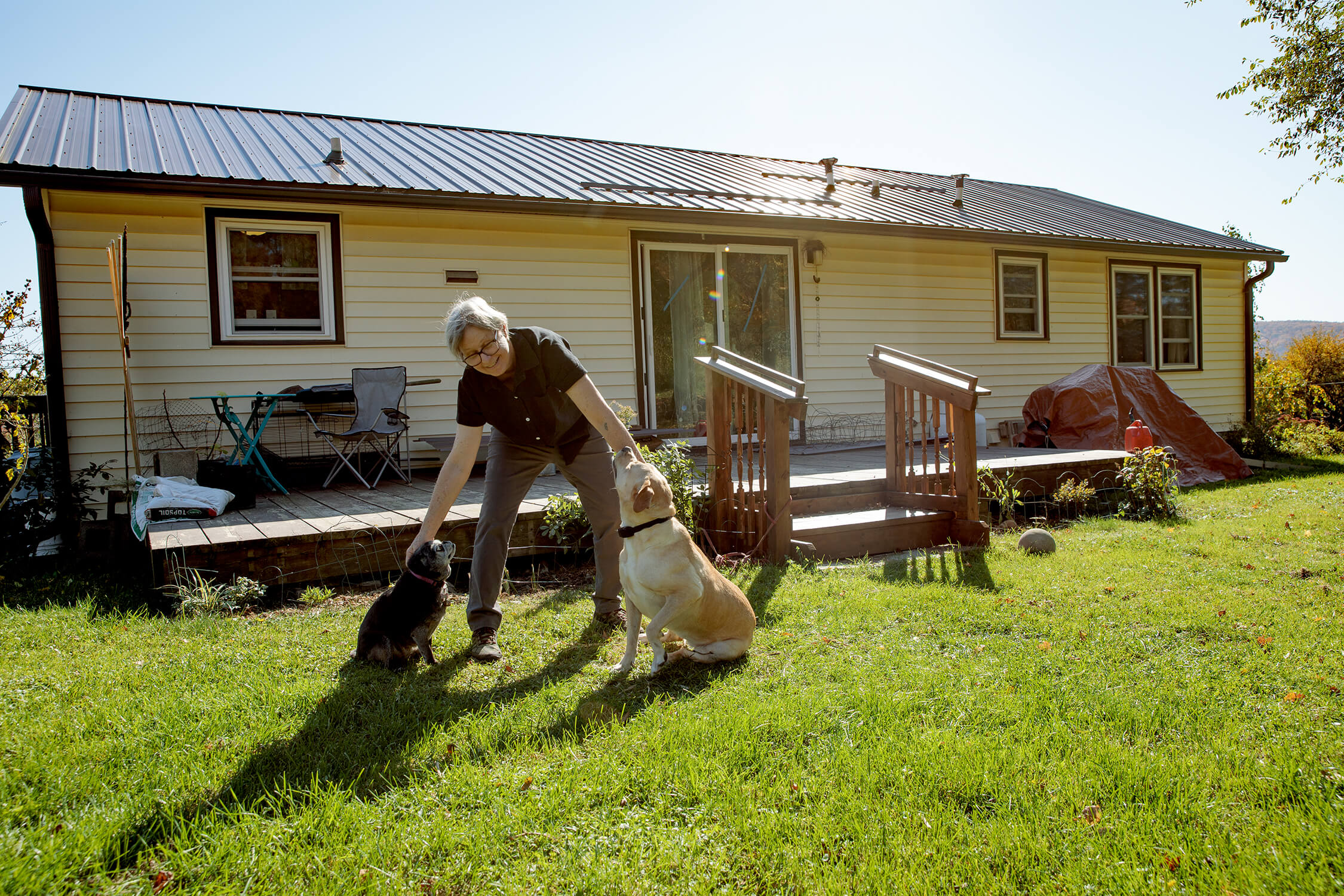
For INHS homeowner and rehabilitation program client Francine, this commitment reflects deeper values. “INHS is the best example of civic engagement that I know,” she said. “It’s more than just building affordable homes and rental housing—it’s building a city.”

Homebuyer Class: In-Person, One-Day/All-Day June 20 in Auburn NY ($20 Special)