‘Tis the Season! For Seasonal Home Maintenance
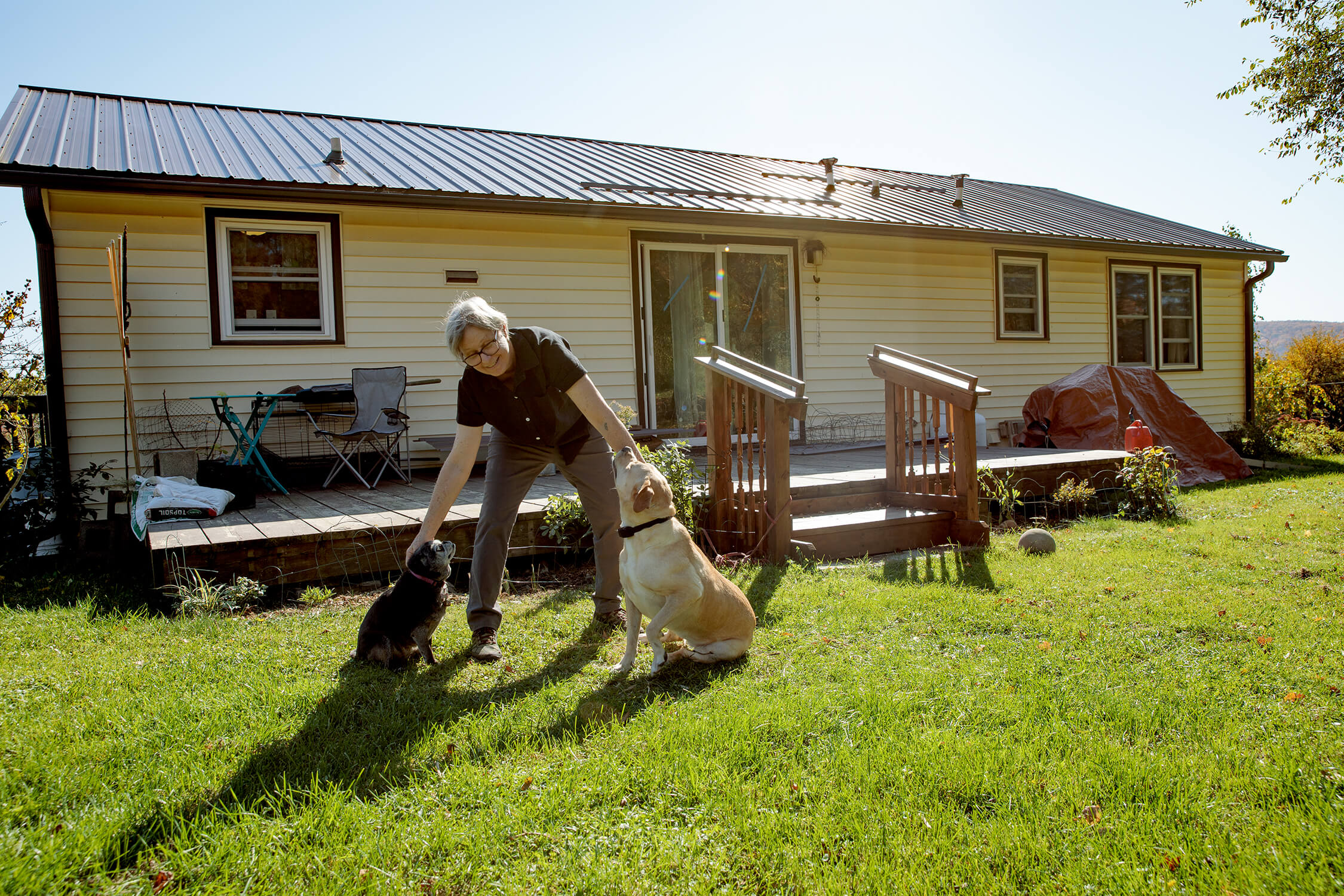
Time slips away as days get shorter and to-do lists get longer so it’s important to add seasonal home maintenance planning to your agenda. Postponing tasks is easy but fixing problems is hard (and expensive!) so it’s best to build tasks into your schedule. Finding time for fixes is one of the biggest challenges for homeowners, but your home’s value and integrity depend on it.
Every day we walk past problems and barely notice them, so one best practice is to set a date to create a maintenance work schedule. Set a time to do a full walk-through in and around your home. As you walk, make a list. Look closely, note every single task that needs to be done, and when you get back inside, prioritize your list. Label items that need immediate attention (within next few days or weeks) as ‘1.’ Label items that can wait a couple of weeks as 2, items that could be done during winter months as 3, and those that can wait until next year as 4. Once the list is labeled, grab your calendar. Add every task to the calendar and block the time to get it done. Note any supplies needed as well as tools or extra support.
Here are some tips for a successful walk around:
- Schedule it! Setting a time and date for the inspection is a critical first step to successful seasonal home maintenance.
- Spend as much time outside as inside. Walk the entire perimeter of the property and circle the house completely.
- Examine every room indoors, including basements, attics, and crawl spaces.
- Check behind and around bushes so you don’t miss anything.
- Walk with a partner, family member, or friend. The more eyes the better.
- Walk during daylight hours so you can see clearly. Perhaps a morning walk, with coffee!
Critical tasks will vary from one home to the next but here are some general items that should be checked every fall:
| Vents and Roofs: Look for and remove any nests or debris. | |
| Downspouts: Make sure they are connected and lead water away from the home. | |
| Vines and Bushes: Trim them back if they are close to the home. There should be several feet between the house and any trees or vegetation. | |
| Gutters: Clean out gutters and downspouts or hire a company to do it. Gutters filled with leaves and debris will surely be a problem once the snow flies. | |
| Paint: Check for flaking paint or decay. Scrape and repaint before winter to avoid moisture damage. | |
| Caulk: Check kitchen sinks and bathrooms and around all windows; remove and re-caulk if needed. | |
| Weatherstripping: Check around doors and windows to see if weather stripping is needed to keep cold air out, and warm air in. | |
| Screens and Storms: Fix ripped or damaged screens. Install storm windows and doors if necessary. | |
| Electrical: Check the electrical box for rust or other damage, as well as light switches and appliances. | |
| Plumbing: Look for leaks under sinks and around tubs, toilets and washing machines. Check hot water tanks and septic systems if applicable. Use a short drain snake to clean out sink and tub drains. Check for water in basements as well. | |
| Heating Systems: Clean or replace filters if applicable or get the system serviced by a heating company. Chimneys and fireplaces should be swept and inspected for safety. Any damage should be repaired before use. | |
| Smoke Alarms: Smoke alarms should be tested monthly so include this in seasonal tasks. | |
| Mold: Look for signs of mold and address any issues with safe abatement strategies or hire an expert. | |
| Drywall: Fix cracked or damaged dry wall, so the problem does not get worse. | |
| Shut-off Valves: Even if shut-off values for water and electric systems are in good condition, it is a good idea to remind yourself where they are and how to use them! |


Routine Maintenance and Seasonal Tasks – An INHS Post-Purchase Class – April 22 (In-person)